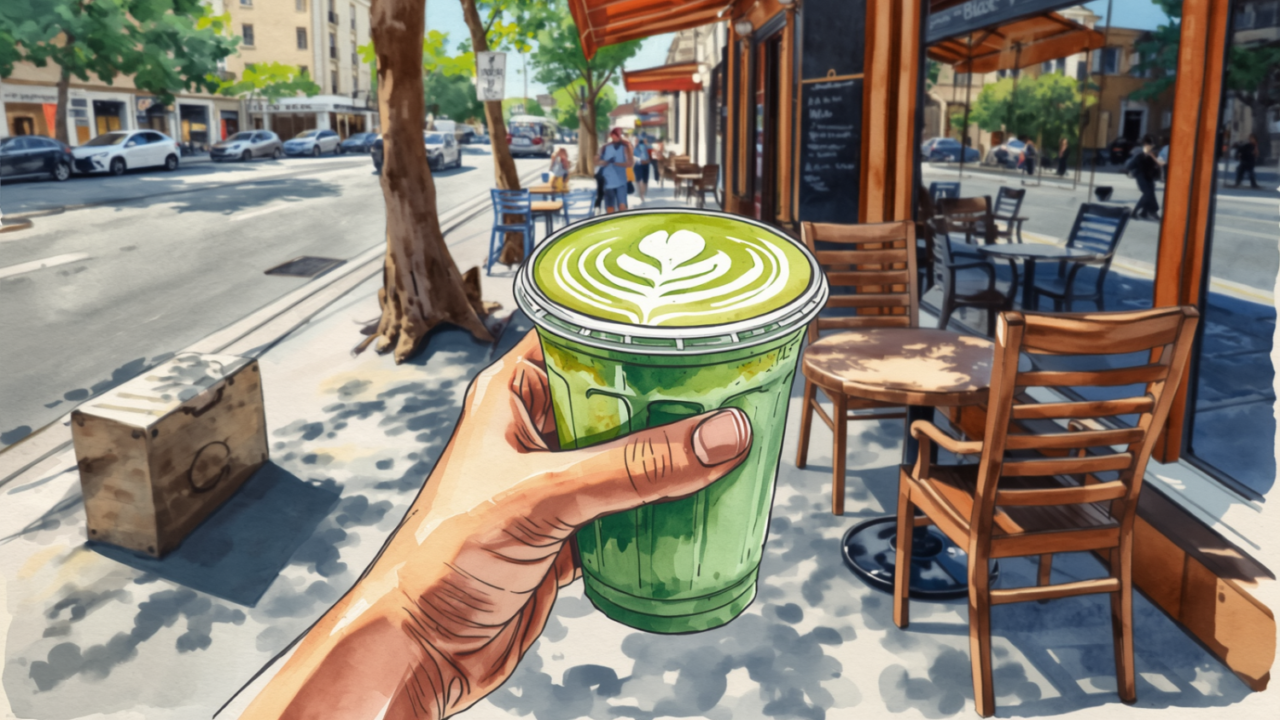
If you’ve spent any time lately walking through BGC, Makati, or the hidden cafe strips of Quezon City, you’ve seen it: Matcha is no longer just a “healthy alternative.” It has become a pillar of the Manila cafe scene, standing right alongside the Spanish Latte as a non-negotiable for any serious counter… and right with that comes the term “ceremonial matcha”
But as the demand grows, so does the confusion. As a cafe owner, you’re likely bombarded with options. You’ve seen the ₱300 bags on Shopee that claim to be “premium,” and you’ve seen the tiny 30g tins from boutique retailers that cost more than a bag of high-grade espresso beans. Most of these products carry the same ambitious title: Ceremonial Grade.
Here’s the honest truth from your friends at HOMA: in the world of professional tea supply, the word “ceremonial” is often just a marketing label. If you want to build a loyal community of repeat customers in Manila’s competitive market, you need to look past the sticker on the bag and understand what actually delivers in the cup.
Is “Ceremonial Matcha” Actually Real?
To understand the confusion, we first have to ask: is “ceremonial matcha” even a real thing?
In short: Yes and no. In the traditional Japanese tea world, there is a very real distinction between tea meant to be whisked with hot water and enjoyed on its own (intended for the tea ceremony) and tea meant for cooking. The tea intended for the ceremony—often referred to as Usucha (thin tea) or Koicha (thick tea)—is made from the youngest, most tender leaves, shaded for the longest time, and processed with the most care.
However, here is the catch: The term “Ceremonial Grade” is not a legal or regulated standard. Unlike “Certified Organic” or “ISO Standards,” there is no governing body in Japan or anywhere else that inspects a bag and grants it the “Ceremonial” title. It is a loose industry term that has been adopted by Western markets to help consumers realize, “Hey, don’t bake a cake with this expensive one; drink it instead.” While the intent behind the name is real, the standard is completely arbitrary.
The Abuse of the Term: When Everything is “Ceremonial”
Because there’s no “Matcha Police” to stop anyone from using the name, the term “ceremonial” has been heavily abused. This is especially true on large online marketplaces where competition is based purely on price.
When a label is “abused,” it loses its meaning. You might find a 100g bag for ₱400 labeled “Ceremonial Grade,” but upon opening it, you find a dull, brownish-yellow powder that tastes like bitter hay. On the flip side, you might find a high-quality “Culinary” powder from a reputable farm that actually tastes better and looks greener than a cheap “Ceremonial” one.
For Manila cafe owners, this abuse creates a “buyer’s trap.” You think you’re getting a premium product because the label says so, but your customers are left with a drink that is astringent and unappealing.
Low Quality Matcha and the Marketing Facade
Are people using low quality matcha and calling it ceremonial? Regrettably, yes. True matcha must be shade-grown, steamed, de-veined (becoming tencha), and then stone-ground. Low quality or subpar matcha is often just regular green tea leaves (sencha) that have been pulverized into a powder. These leaves aren’t shaded, meaning they lack the high chlorophyll (for color) and L-theanine (for sweetness and calm energy) that define quality matcha.
These subpar powders are frequently mislabeled as “Ceremonial Grade” to justify a slightly higher price point. As a cafe, using these low quality versions can hurt your reputation. Customers in the Metro are becoming more educated; they know what a vibrant, creamy latte looks like. If you serve them a yellow-toned, gritty drink under the guise of “Ceremonial Quality,” they likely won’t return for a second cup.
The “Shopee Ceremonial Matcha” vs. The Retail Extremes
Currently, Manila cafes often find themselves stuck between two extremes.
- The Marketplace Trap: These are the mass-produced powders found on big online platforms. They are cheap, but they are often “culinary” teas rebranded as “ceremonial.” They are yellowish-brown, smell like dried hay, and taste incredibly bitter. When you use these, you have to use twice as much syrup just to make the drink drinkable.
- Boutique Retail: These are the high-end tins found in specialty lifestyle stores. The quality is undeniable, but the pricing is designed for a home hobbyist. If you’re paying ₱1,500 for a 30g tin, you simply cannot make a profitable latte without charging ₱300 a cup.
HOMA was built to fill the middle. We provide the vibrancy and sweetness of high-end tea but with inclusive, wholesale-first pricing that allows your cafe to actually scale.
The Real Markers of Quality: What to Look For

If the label doesn’t matter, what does? When testing a potential supplier, focus on these three sensory markers. They are the same standards we use for our Nagomi, Hayashi, Umi, and Sen series.
1. The Color (The Visual Promise)
High-quality matcha should be a vibrant, electric green. If the powder looks like mustard or army green, it was likely harvested late in the season or grown without proper shading. In a clear takeout cup, your customers expect that “HOMA green” pop.
2. The Texture (The Silky Pour)
Quality matcha is stone-ground to a particle size. When you whisk it, it should dissolve effortlessly. If you see “clumps” that won’t break down or feel a “gritty” sand-like texture at the bottom of the cup, it’s a sign of poor processing.
3. The Taste (Umami vs. Astringency)
Good matcha from regions like Shizuoka should have umami—a savory, rich depth that tastes almost “creamy” even before you add milk. While a tiny bit of “bite” (astringency) is normal, it should never be harsh or chemical.
Cultivars: The Secret Backbone
If you want to be a “gently smart” leader in your local coffee scene, start talking about cultivars instead of “grades.” Just like a Barista knows the difference between Arabica and Robusta, a great supplier knows the difference between a Yabukita and a Saemidori leaf.
- Yabukita is the backbone of Japanese tea. It provides that classic, refreshing, and earthy structure.
- Saemidori is the “clear green” cultivar, prized for its incredible sweetness and low bitterness.
By blending these strategically, we create a product that handles the addition of milk and ice without losing its personality.
The Local Factor: Matcha in the Manila Climate
Operating a cafe in the Philippines comes with unique challenges—specifically heat and humidity. Matcha is incredibly delicate; it is sensitive to light, heat, and oxygen.
This is why having a local, transparent supplier matters. When you buy from HOMA, you aren’t just getting a bag; you’re getting a partner based in Bacoor, Cavite, who understands local logistics. We ensure our Shizuoka-sourced tea is stored correctly and shipped fast, so it arrives at your cafe as fresh as possible.
We also standardize our products to a 4g serving size. In a busy Manila morning rush, your baristas need a predictable workflow and your business needs predictable margins.
Consistency Over Marketing
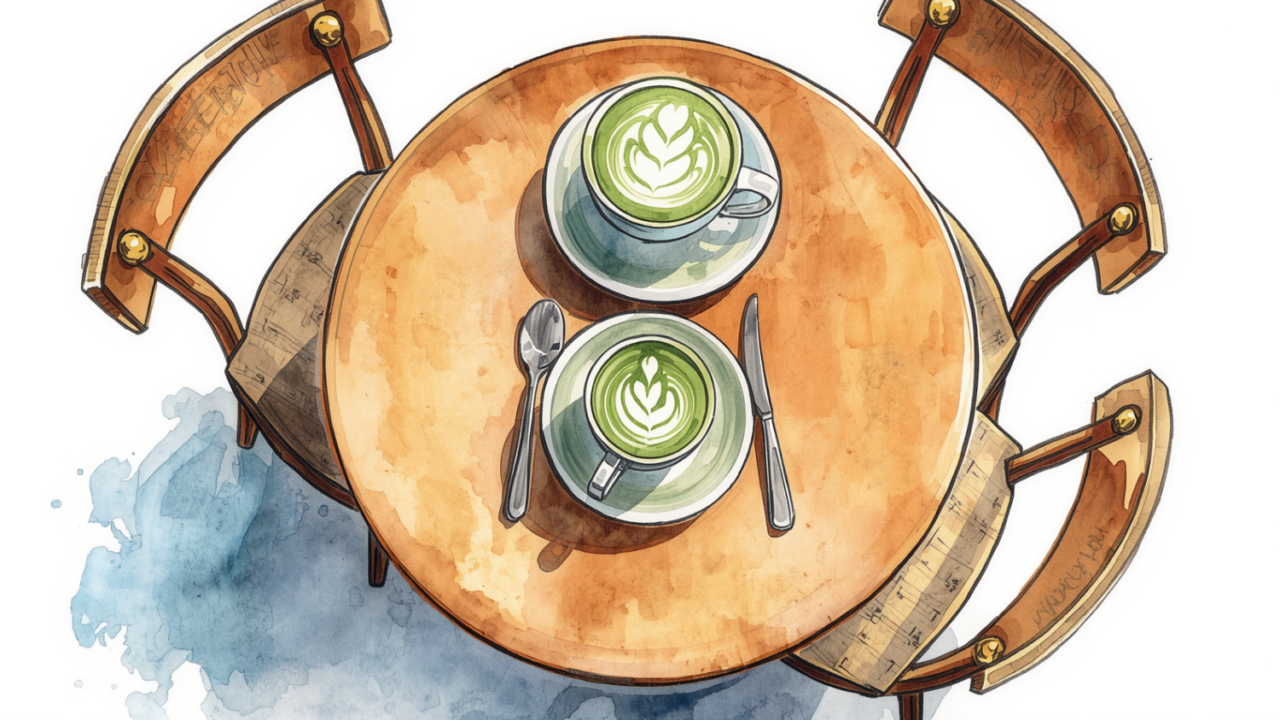
At the end of the day, your customers aren’t looking for a “ceremonial” label—they are looking for a moment of calm. They want a cup that looks beautiful on their feed and tastes even better than it looks.
HOMA is here to help you do just that. We’ve done the vetting and the sourcing to find that “optimal middle” where quality and cost-effectiveness meet. We’re not here to be “snobby”; we’re here to be the welcoming friend who helps your cafe serve the best version of every drink.
Ready to see past the labels? Now that you know the truth about the “Ceremonial” myth, it’s time to learn how to spot the physical signs of a good powder versus a bad one.
To learn more about the visual and sensory tests you can do right at your counter, check out our next guide: Good vs. Bad Matcha: What’s the Difference?
