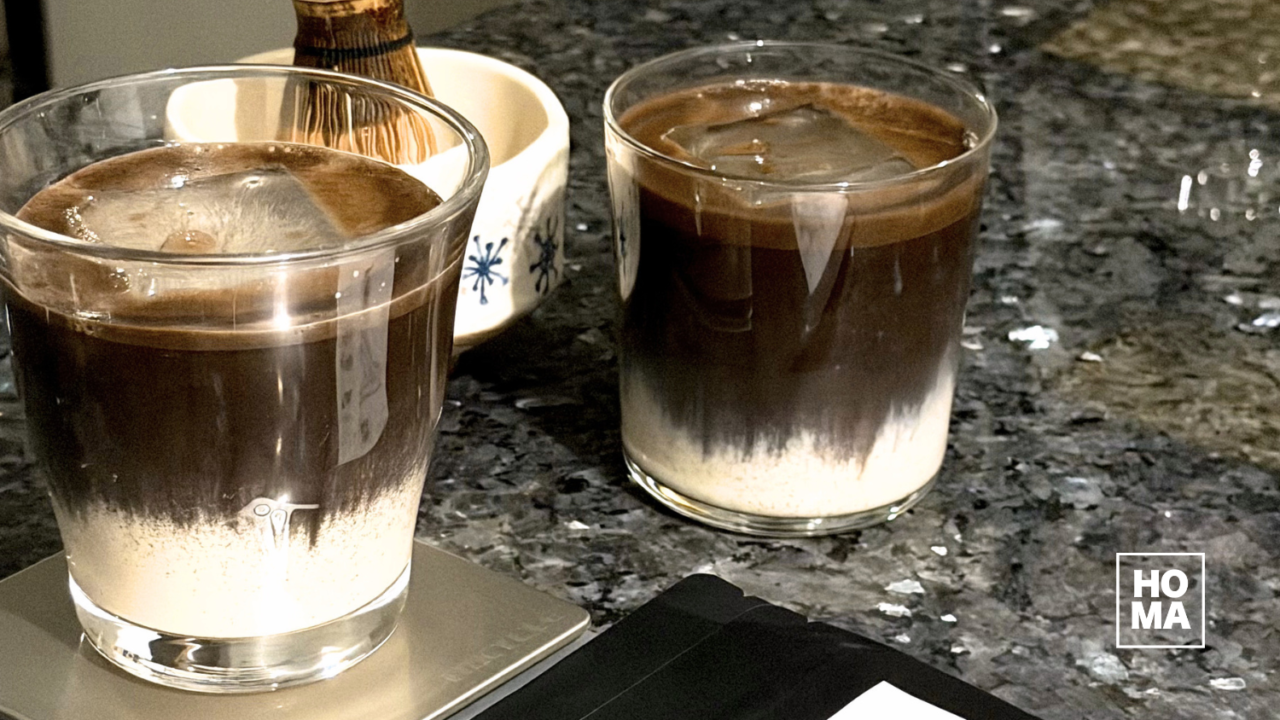
What’s up with this so-called “hojicha”, you ask? If you walk into a specialty cafe in BGC, Makati, or even the burgeoning coffee strips in Cavite, you’ll notice a shift in the color palette behind the bar and the menus. While the vibrant “neon” green of matcha remains a staple, a new, warm, golden-brown hue is taking over the menu.
Manila is officially at the start of its Hojicha Era. At HOMA, we’ve seen this trend grow firsthand. What started as a niche alternative for tea enthusiasts has become a mainstream favorite. But what exactly is this “brown tea,” and why is it becoming the go-to order for so many Filipinos? We’re here to break down the hojicha phenomenon and show you why it belongs on your counter.
What is Hojicha?
To understand Hojicha, you first have to understand its origin. Simply put, Hojicha is a Japanese green tea that has been roasted. Unlike traditional green teas (like sencha or matcha) that are steamed to preserve their grassy, vegetal character, Hojicha leaves are roasted at high temperatures. This roasting process—traditionally done over charcoal—triggers a “Maillard reaction” (the same magic that happens when you sear a steak or toast bread).
The result? The leaves turn from deep green to a rich, reddish-brown, and the flavor profile transforms completely. Instead of grass and sea spray, you get notes of toasted nuts, caramel, and wood smoke.
Hojicha vs. Matcha: Are They the Same?
We get this question a lot: “Is Hojicha just brown matcha?”
While both come from the same Camellia sinensis plant, they are prepared and processed very differently. Think of them as cousins rather than twins.
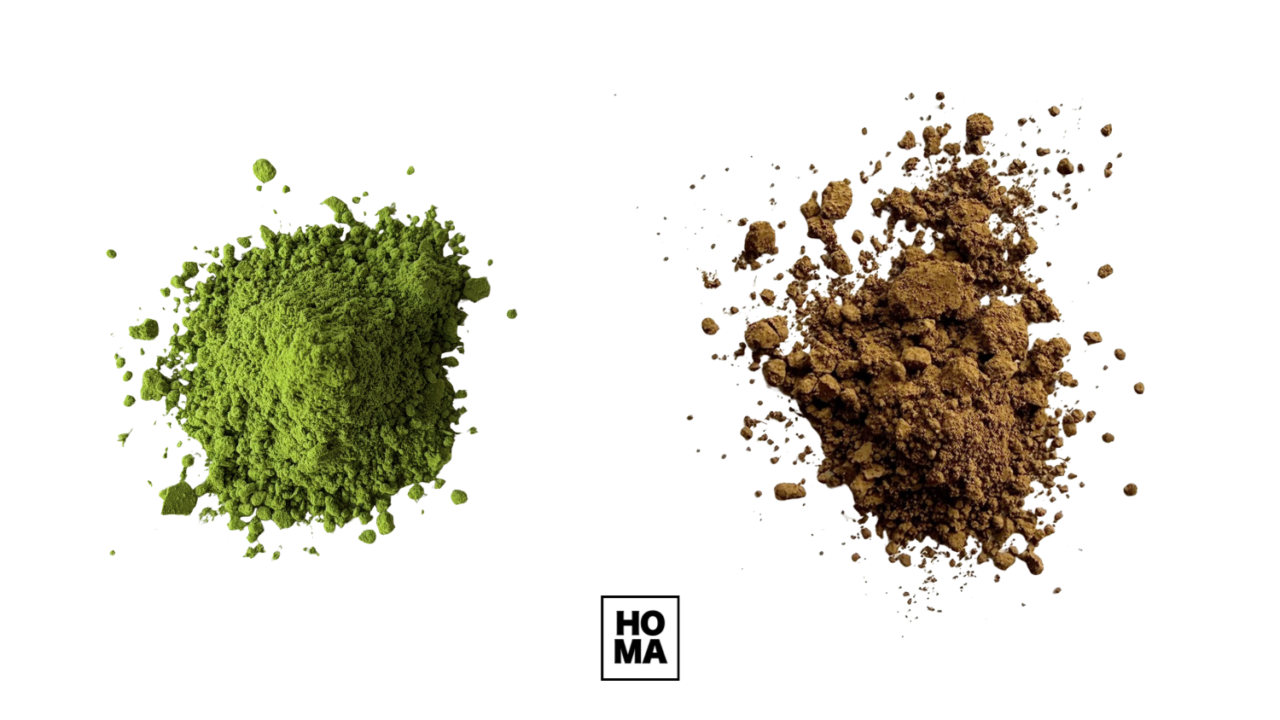
| Feature | Matcha | Hojicha |
| Color | Vibrant, Green | Golden-Brown to Dark Cacao |
| Flavor | Vegetal, Grassy, Umami | Roasted, Nutty, Caramel-like |
| Processing | Shaded, Steamed, Stone-ground | Usually unshaded, Roasted, Ground |
| Best Pairings | Citrus, Fruit, Sweet Cream | Milk, Chocolate, Brown Sugar |
At HOMA, we supply both in a finely ground powder form. This makes it just as easy for a barista to whisk up a Hojicha Latte as it is to make a Matcha one.
Is Hojicha Strong in Caffeine?
One of the biggest reasons Manila is falling for this roasted tea is its low caffeine content. This is because high-heat roasting process does two very important things:
- It breaks down the caffeine crystals in the leaf.
- It destroys the catechins (the compounds responsible for bitterness).
So, this makes Hojicha the perfect “all-day” drink. While a matcha latte is a great morning pick-me-up, a Hojicha latte is the ideal late-afternoon or evening treat for those who are caffeine-sensitive but still want the comfort of a warm, cafe-quality beverage. It’s “gentle” on the system, making it incredibly inclusive for a wide range of customers.
Why Manila Loves the “Roasted” Profile
The Filipino palate has a natural affinity for toasted, and roasted flavors. We grew up with barako coffee, toasted rice, and caramelized desserts like leche flan or taho.
Did you know that Hojicha taps into that same nostalgia. It feels familiar even if it’s your first time drinking it. When paired with the creamy milk of a latte, Hojicha tastes like a “refined comfort drink.” It doesn’t have the “green” bite that sometimes intimidates matcha beginners, making it an easy entry point for people who want to explore Japanese tea without the steep learning curve.
Positioning Your Menu: The HOMA Hojicha Series
As a supplier, we didn’t just want to provide “any” hojicha; we wanted to provide the two most distinct expressions of the roast. We have an ideal option for what’s known as “classic” hojicha, and also chocolatey hojicha (for those who prefer less of the isolated umami taste) We source our leaves from Shizuoka, Japan, ensuring that even though the tea is roasted, the base quality remains elite.
1. Kitsune (Golden Roast)
Kitsune is our “approachable” roast. It’s naturally sweet with a caramel-like aroma. It’s lighter in color and incredibly smooth, making it the perfect partner for oat milk or standard dairy. It’s the “welcoming friend” of our hojicha lineup.
2. Kuro (Dark Cacao)
For those who want something bolder, there is Kuro. We roast these leaves longer to bring out smooth, chocolatey undertones. Kuro is also great for those who don’t necessarily love the classic hojicha taste.
It’s deep, intense, and savory. It stands up beautifully in signature drinks that use heavier syrups or dark chocolate.
Hojicha: A Profitable Addition to Your Cafe
For cafe owners, this isn’t just a trend; it’s a smart business move.
- Low Waste: Like our matcha, HOMA Hojicha is standardized to a 4g serving size, making your inventory predictable.
- Menu Versatility: It works beautifully as a hot latte, an iced drink, or even a Hojicha “Affogato.”
- Fast Logistics: We ship from Bacoor, Cavite, ensuring your Manila-based cafe is never without stock when the cafe rush hits.
The Bottom Line
This Hojicha trend is more than just a passing fad; it is a permanent staple in the evolving Manila tea culture. It offers a cozy, low-caffeine, and deeply flavorful alternative that appeals to everyone—from the curious beginner to the seasoned tea lover.
At HOMA, we’re proud to be the “gently smart” experts helping you bring this roasted tradition to your counter. Also, e’ve done the vetting in Shizuoka so you can focus on the pour.
Ready to add some gold to your menu? Start with our samples or inquire about our wholesale bags today. Let’s make your cafe the neighborhood’s favorite spot for a toasted treat!
